0
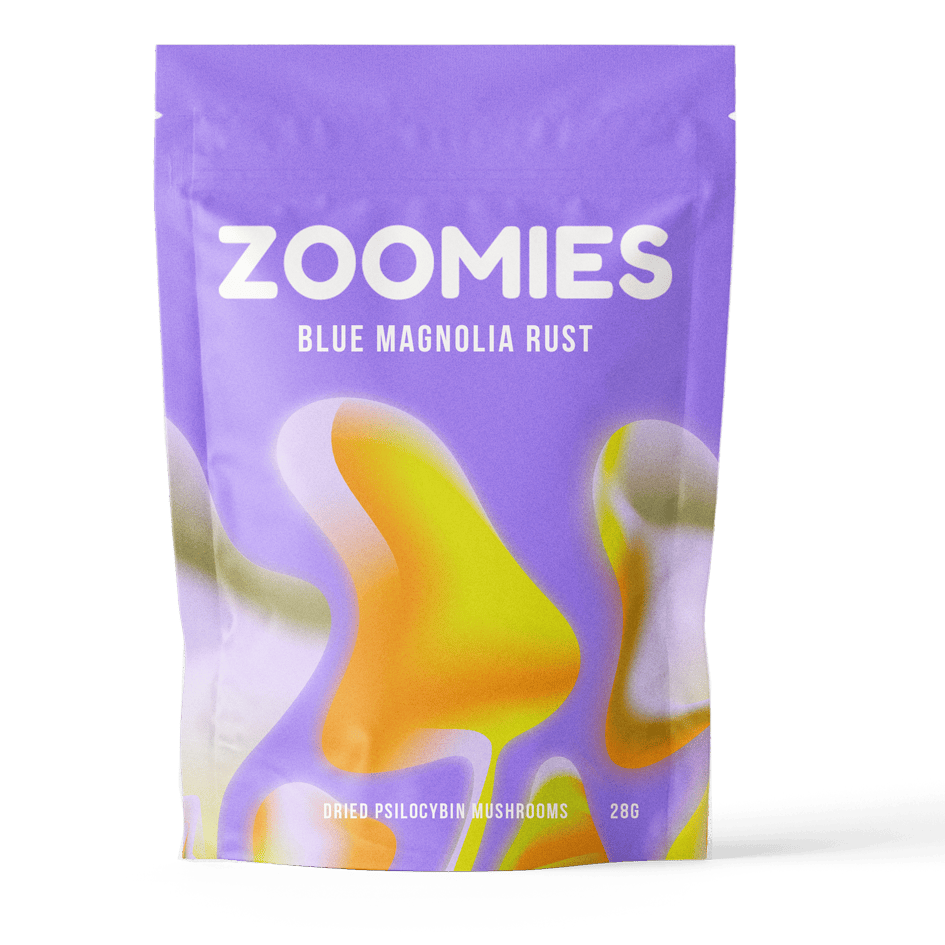
Blue Magnolia Rust
Price range: $20.00 through $360.00
Premium Blue Magnolia Rust Mushroom Spores | Microscope Research & Advanced Mycology
Discover Blue Magnolia Rust, a unique hybrid Psilocybe cubensis strain prized for its distinctive rust-colored spores and robust genetic profile. This premium specimen offers Canadian researchers and advanced mycologists an exceptional subject for microscopic study, genetic research, and cultivation science.
Description
Complete Product Guide: Blue Magnolia Rust Mushrooms for Canadian Researchers
Introduction to Blue Magnolia Rust
The Blue Magnolia Rust represents a remarkable advancement in mycological research, offering Canadian scientists and enthusiasts a unique hybrid strain of Psilocybe cubensis with distinct genetic characteristics. This extraordinary strain was developed through specialized genetic isolation from a wild Mississippi spore collection originally discovered in 2011. Through years of dedicated mycological work, researchers have isolated a unique phenotype that produces the striking brown to rust-colored spores that give this strain its name.
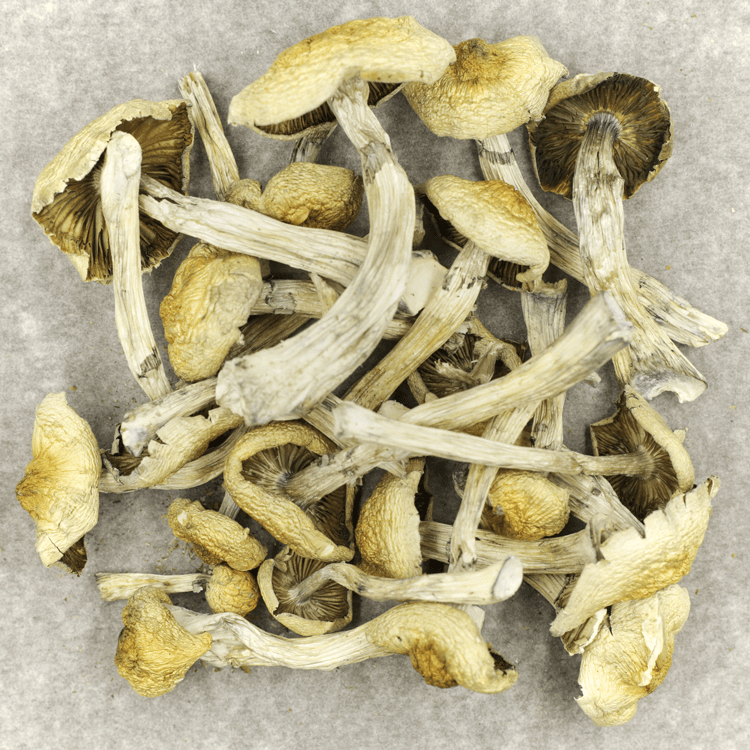
As a hybrid between the Blue Magnolia and Rusty Whyte strains, Blue Magnolia Rust captures the aesthetic beauty and potency of both parent lineages. This strain typically exhibits dense, meaty stems with robust mycelium networks and displays vivid blue bruising when handled—a classic indicator of psilocybin content in psilocybin mushrooms. The caps can range from rusty orange to golden caramel as they mature, often developing a slightly bell-shaped or convex appearance depending on environmental conditions.
For Canadian researchers, Blue Magnolia Rust offers an exceptional specimen for microscopic study and genetic research, particularly for those interested in spore coloration mutations and their implications for fungal genetics. The strain maintains all the favorable characteristics of the original Blue Magnolia—including large golden caps and solid stems reaching 4-6 inches in length—while presenting the unique spore coloration that makes it especially valuable for comparative mycological studies.
Cultivation Process and Technology
The production of Blue Magnolia Rust for research purposes involves a sophisticated cultivation process that begins with rigorous genetic selection and isolation. This strain is known for its rapid colonization rate and reliable development, making it suitable for controlled research environments. Professional mycologists utilize advanced isolation techniques to preserve the unique genetic characteristics that produce the distinctive rust-colored spores.
The cultivation environment requires precise temperature regulation, with optimal colonization occurring between 75°F to 78°F (24°C–26°C) and fruiting at slightly lower temperatures of 70°F to 73°F (21°C–23°C). Maintaining humidity levels above 85% is crucial, typically achieved through routine misting and fanning or automated humidity systems. Researchers utilizing monotub setups often find this strain particularly responsive to controlled indoor environments with adequate indirect lighting to trigger healthy pinning and development.
From a technological perspective, Blue Magnolia Rust represents the intersection of traditional mycological knowledge and modern genetic science. While Psilocybe cubensis itself has historical significance in certain Indigenous traditions where it was referred to with reverence, this specific hybrid strain exemplifies how contemporary genetic techniques can produce novel phenotypes for scientific study. The genetic sequencing of this strain reveals specific variants in the PsiT1, PsiH, PsiM, and PsiD genes, which researchers can study to better understand the genetic basis of spore coloration and other morphological characteristics.
Table: Key Cultivation Parameters for Blue Magnolia Rust
| Parameter | Optimal Range | Importance |
|---|---|---|
| Colonization Temperature | 75°F to 78°F (24°C–26°C) | Ensures rapid mycelial growth without contamination |
| Fruiting Temperature | 70°F to 73°F (21°C–23°C) | Promotes healthy mushroom development and proper cap formation |
| Humidity Level | 85%+ | Prevents drying while minimizing bacterial contamination risks |
| Air Exchange | Regular fanning or automated systems | Provides necessary oxygen while removing excess CO₂ |
| Lighting Conditions | Indirect but sufficient | Triggers proper pinning and directional growth |
Key Features and Benefits for Researchers
Unique Visual Characteristics
The most distinguishing feature of Blue Magnolia Rust is its rust-colored spores, a result of specific genetic mutations that differ from the typical dark purple or brown spores of most Psilocybe cubensis varieties. This unique coloration is immediately visible under microscopic examination and presents a fascinating subject for genetic research into spore pigmentation mutations. The mushrooms themselves display striking visual characteristics with vibrant rust-orange caps and intense blue bruising when handled, providing researchers with clear visual indicators for identification and study.
Genetic Reliability and Consistency
Blue Magnolia Rust is renowned for its exceptional genetic stability and predictable development patterns. Unlike some wild-type strains that exhibit considerable variation, this hybrid demonstrates consistent morphological features and growth characteristics across generations. The strain’s rapid colonization rate and heavy flushes make it particularly valuable for research requiring multiple generations of observation or comparative studies. Researchers can expect reliable results when following established cultivation protocols, reducing variables that might otherwise complicate experimental outcomes.
Research Applications
For Canadian researchers, Blue Magnolia Rust offers numerous scientific applications across various disciplines. In genetic research, the strain provides opportunities to study the inheritance patterns of spore coloration mutations and their relationship to other phenotypic characteristics. In biochemical studies, researchers can investigate the correlation between the strain’s visual characteristics (including blue bruising) and its alkaloid profiles. The strain’s robust growth characteristics and responsiveness to environmental variables make it suitable for ecological modeling studies that examine fungal responses to changing conditions.
Quality Assurance Standards
When sourcing Blue Magnolia Rust for research purposes, Canadian scientists should prioritize suppliers who adhere to strict quality control measures. Premium genetics providers implement redundant testing protocols to verify purity and vitality, utilizing sterile laboratory techniques to prevent contamination. Many reputable suppliers guarantee clean, viable spores with consistent genetic profiles, backed by comprehensive product guarantees that ensure researcher satisfaction. These quality standards are particularly important for long-term research projects requiring genetic consistency across multiple cultivation cycles.
Table: Technical Specifications of Blue Magnolia Rust
| Characteristic | Specification | Research Relevance |
|---|---|---|
| Species | Psilocybe cubensis | Standard species for psychedelic mushroom research |
| Genetic Type | Hybrid (Blue Magnolia × Rusty Whyte) | Allows study of hybrid vigor and trait inheritance |
| Spore Color | Rusty brown to golden | Unique genetic mutation valuable for genetic studies |
| Cap Color | Rusty orange to golden caramel | Visual indicator of maturity and health |
| Stem Characteristics | Solid, 4-6 inches long, bruises blue | Physical robustness for handling and measurement |
| Colonization Speed | Faster than many cubensis strains | Reduces research timeline for multi-generational studies |
| Fruiting Yield | Heavy flushes | Provides ample material for multiple analyses |
Frequently Asked Questions (FAQ)
-
What makes Blue Magnolia Rust different from other Psilocybe cubensis strains?
Blue Magnolia Rust is distinguished by its unique rust-colored spores, a genetic mutation that sets it apart from typical cubensis varieties with dark purple or brown spores. This hybrid strain combines characteristics from both Blue Magnolia and Rusty Whyte parent strains, resulting in striking visual features including rust-orange caps and intense blue bruising. For researchers, these distinctive traits provide clear identification markers and interesting genetic variables for study. -
How difficult is Blue Magnolia Rust to cultivate for research purposes?
Most sources classify Blue Magnolia Rust as having intermediate cultivation difficulty. While more robust than some wild species, it requires attention to environmental conditions—particularly temperature and humidity control—for optimal development. The strain is known for its rapid colonization rate and responds well to controlled indoor environments, making it suitable for researchers with proper laboratory setups. Beginners may want to start with simpler strains before working with this hybrid. -
What are the identification characteristics of Blue Magnolia Rust?
Key identification features include rust-colored spores (visible in prints or under microscopy), rusty orange to golden caramel caps that may become slightly bell-shaped with maturity, and solid stems that exhibit pronounced blue bruising when handled. The mushrooms typically reach 4-6 inches in height with substantial stem thickness. Researchers should be aware of potential lookalikes, particularly Galerina marginata, which has some visual similarities but lacks blue bruising and contains deadly amatoxins. -
How can researchers in Canada legally obtain Blue Magnolia Rust for study?
In Canada, researchers must navigate complex regulatory frameworks governing psychoactive substances. While Health Canada provides pathways for authorized research with controlled substances, individual researchers must obtain appropriate licenses and approvals before acquiring or working with psilocybin-containing materials. Some Canadian suppliers offer spores and related materials explicitly for microscopy and taxonomy research, which may represent a legal pathway for certain types of study. Researchers should consult current regulations and possibly seek legal counsel to ensure full compliance. -
What safety precautions should researchers take when handling Blue Magnolia Rust?
Researchers should implement standard laboratory safety protocols including proper ventilation, use of personal protective equipment, and established procedures for handling biological materials. While the mushrooms themselves contain psychoactive compounds, the primary risks during research involve potential misidentification or accidental exposure rather than toxicity from handling. All materials should be clearly labeled and stored securely to prevent unauthorized access. Researchers studying chemical extraction should employ additional chemical safety measures appropriate for working with alkaloids.
Safety Profile and Legal Considerations
Safety Precautions for Researchers
When conducting research with Blue Magnolia Rust, implementing comprehensive safety protocols is essential. Although supervised use of psilocybin in clinical settings has shown relatively few serious adverse events, research environments present different considerations. The primary physical risks associated with accidental exposure include potential nausea, anxiety, temporary confusion, and increased heart rate or blood pressure. Researchers should establish clear handling procedures to minimize direct contact and implement proper laboratory hygiene practices.
Particular attention should be paid to psychological considerations, especially for researchers who may have personal sensitivities. Those with personal or family histories of psychotic disorders should exercise additional caution, as psychedelic substances may exacerbate underlying conditions. Establishing a support system and having clear protocols for addressing accidental exposure is a responsible practice for any research team working with psychoactive substances.
Legal Framework in Canada
The legal status of psilocybin-containing mushrooms in Canada is strictly regulated under the Controlled Drugs and Substances Act. While there have been some limited exemptions for medical and therapeutic use in recent years, general possession, production, and distribution remain illegal without specific authorization. Researchers may pursue legitimate pathways through Health Canada’s Special Access Programme or by obtaining a Section 56 exemption, but these require demonstrating legitimate research purposes and implementing rigorous security and documentation measures.
Canadian researchers should be aware that legal interpretations continue to evolve, particularly following various court challenges to psilocybin prohibitions. Municipal approaches also vary, with some cities like Vancouver adopting more decriminalization-focused policies for personal possession. However, these municipal guidelines generally don’t affect the legal status of cultivation or distribution for research purposes. The most prudent approach involves consulting legal experts specializing in drug policy and research regulations before initiating any studies involving Blue Magnolia Rust.
Ethical Research Considerations
Beyond legal compliance, ethical research with Blue Magnolia Rust involves transparent methodologies, responsible sourcing, and consideration of Indigenous knowledge. Psilocybe cubensis has historical significance in certain Indigenous traditions, where it was regarded with reverence and incorporated into spiritual practices. Contemporary researchers should approach their work with cultural sensitivity and acknowledge these traditions when appropriate in their research context.
Additionally, researchers should consider the broader implications of their work, particularly as psilocybin research intersects with mental health treatment, substance policy, and social equity issues. Maintaining scientific integrity while recognizing the complex social dimensions of psychedelic research represents an important ethical balance for Canadian researchers working with this and related substances.
Product Details and Bulk Purchase Options
Available Formats for Research
Blue Magnolia Rust is typically available to qualified researchers in several formats, each suited to different research applications. The most common presentation is the spore syringe, which contains sterile spore solution in precise 12cc luer-lok syringes with appropriate needles for inoculation. These syringes are ideal for microscopy work and initiating new genetic lines under sterile conditions. For researchers focusing on spore morphology and genetics, spore prints offer excellent material for direct examination and long-term preservation.
More advanced research may utilize liquid culture systems containing live mycelium rather than spores. These cultures allow for more rapid establishment of research specimens and can provide greater genetic consistency when properly isolated. Some suppliers also offer agar plates with isolated genetics, providing researchers with the purest starting material for genetic studies or preservation in fungaria collections.
Bulk Purchase Considerations
For research institutions, laboratories, or collaborative projects requiring larger quantities, bulk purchasing options are often available through specialized suppliers. These bulk arrangements typically offer significant cost efficiencies while ensuring genetic consistency across research samples. Common bulk formats include multi-packs of spore syringes, larger volume liquid culture containers, or customized preparations tailored to specific research protocols.
When evaluating bulk suppliers, researchers should prioritize those with demonstrated quality control processes and genetic verification methods. Reputable suppliers often provide certificates of analysis or genetic sequencing data for their products, which is particularly valuable for research requiring documented genetic lineages. Bulk purchases may also include additional support services such as cultivation guidance or troubleshooting assistance, which can be valuable for research teams new to working with this specific strain.
Quality Assurance and Verification
Regardless of purchase volume, verifying the authenticity and quality of Blue Magnolia Rust materials is essential for research integrity. Researchers should seek suppliers who provide detailed lineage documentation, including information about the strain’s development from original wild collections through subsequent isolation work. Some advanced suppliers now offer blockchain-registered genetics with verifiable transaction IDs and hash verification, providing unprecedented traceability for research materials.
Independent verification methods may include microscopic examination of spore characteristics, genetic testing to confirm lineage, or chemical analysis to verify alkaloid profiles where legally permissible. Establishing collaborative relationships with reputable suppliers who understand research needs can provide ongoing quality assurance throughout extended research projects.
Conclusion
Blue Magnolia Rust represents a significant specimen for Canadian mycological research, offering unique genetic characteristics that facilitate studies in fungal genetics, biochemistry, and morphology. Its distinctive rust-colored spores, combined with robust growth characteristics and visual identification markers, make it particularly valuable for comparative research and genetic studies. Researchers approaching this strain with appropriate scientific rigor, safety protocols, and regulatory compliance can contribute valuable knowledge to the growing field of psychedelic science.
The evolving legal landscape in Canada presents both challenges and opportunities for researchers interested in Blue Magnolia Rust. By pursuing proper authorization channels and maintaining ethical research practices, Canadian scientists can responsibly explore this unique fungal specimen while contributing to broader understanding of psilocybin-containing mushrooms and their potential applications. As research continues to develop, strains like Blue Magnolia Rust will likely play increasingly important roles in both basic mycological science and applied therapeutic research.
For researchers seeking reliable sources for Blue Magnolia Rust and related materials, reputable suppliers typically emphasize their commitment to scientific support and quality assurance. These partnerships between suppliers and research institutions help advance the field while maintaining the highest standards of safety and scientific integrity. As with any emerging research area, collaboration, transparency, and methodological rigor remain essential for productive study of this fascinating fungal specimen.
Additional information
| Weight | 14g, 28g, 2oz, 3.5g, 4oz, 7g |
|---|
Related products
-

Enigma
Read more -

Bull Run
Price range: $20.00 through $360.00 Select options This product has multiple variants. The options may be chosen on the product page -

Hillbilly Magic Mushroom
Price range: $20.00 through $360.00 Select options This product has multiple variants. The options may be chosen on the product page -

Hillbilly Pumpkin
Price range: $20.00 through $360.00 Select options This product has multiple variants. The options may be chosen on the product page